Operation Shuddhi – Turning Plastic from a Problem into a Possibility
The Real Problem Isn’t Plastic – It’s How We Handle It
India doesn’t have a plastic crisis. It has a participation crisis. Plastic by itself is not the enemy what’s broken is the system around it. We generate it, use it, and then abandon it. No plan. No structure. No accountability.
Operation Shuddhi is built to fix exactly that. It’s not a one-time cleanliness drive or a feel-good campaign. It’s a full-scale, execution-driven national mission that turns plastic waste into measurable economic value while delivering real, visible environmental impact.
The goal is straightforward: stop treating discarded plastic as garbage, and start treating it as an organised economic resource.
Three Principles. One Mission.
Everything Operation Shuddhi does is built on three simple but powerful ideas:
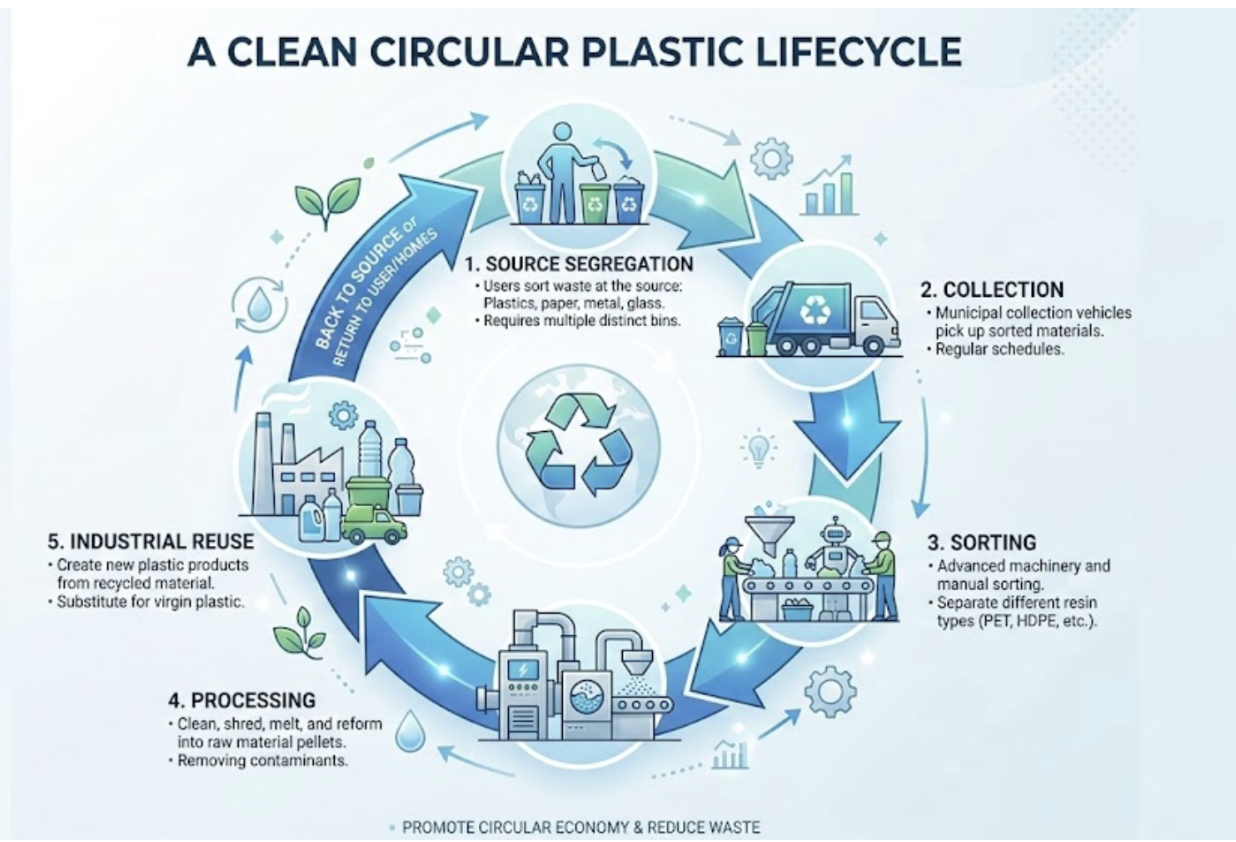
- Segregate at the source, plastic must be separated right where it’s generated, not after it becomes a mixed, unmanageable mess.
- Build a structured collection network, waste needs to move through an organised pipeline, not rely on chance or informal pickers.
- Repurpose with purpose, collected plastic must be reintegrated into the industry as a viable alternative to brand-new raw material.
Together, these three steps transform plastic from a liability into an asset, from the dustbin to the factory floor.
Why Does This Even Matter?
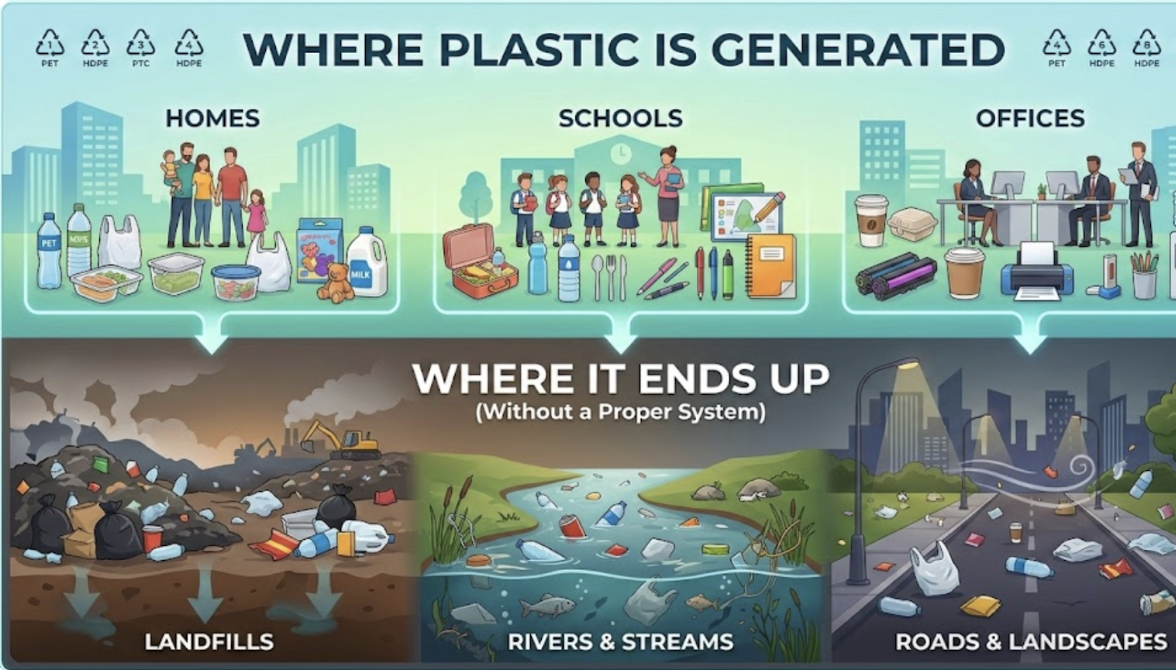
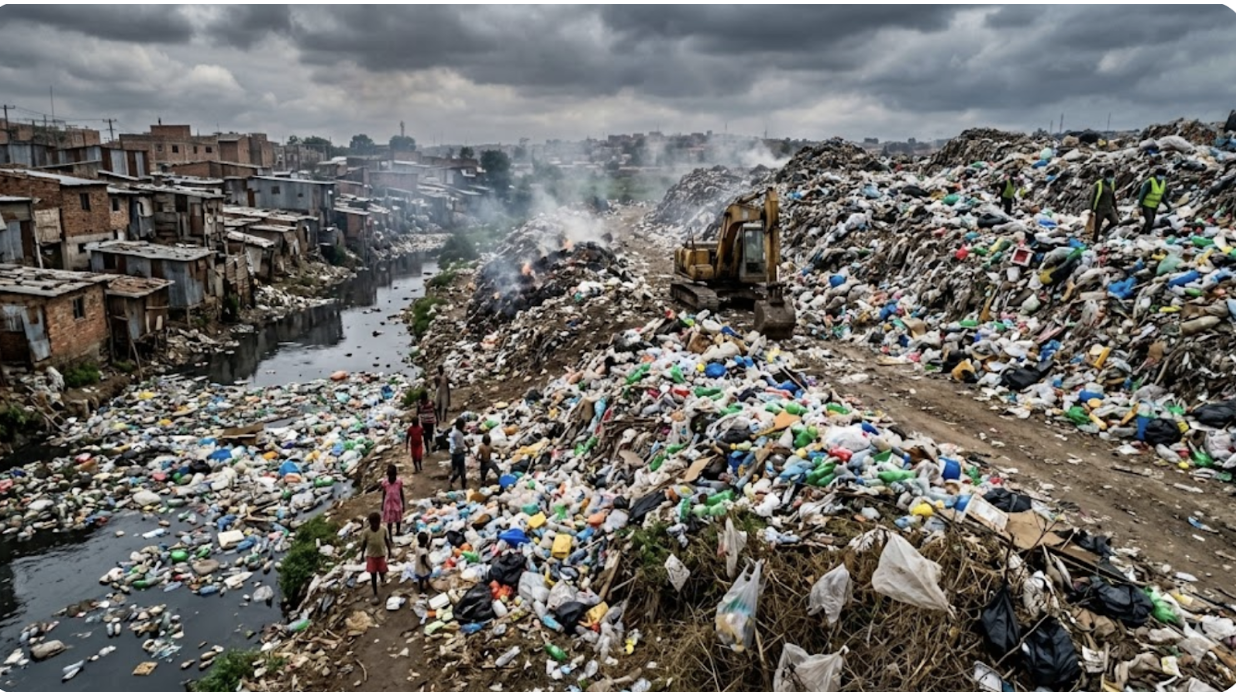
India produces millions of tonnes of plastic waste every year. A large chunk of it never gets properly collected. And even when it does, it’s often processed so poorly that most of its recyclable value is lost.
The result?
- Environments are getting choked — rivers, roads, and landfills are overflowing with plastic.
- Recyclable material is being wasted instead of being reused.
- City systems are getting overwhelmed trying to manage what could have been avoided.
- A massive economic opportunity is quietly slipping away every single day.
Operation Shuddhi doesn’t respond to this with another awareness poster. It responds with a system — one built on process, infrastructure, and accountability.
What Are We Trying to Achieve?
At its core, Operation Shuddhi is working toward:
- Mass-scale plastic segregation and collection across India.
- Reducing how much virgin (new) plastic the industry needs to produce.
- Creating decentralised plastic collection points in every neighbourhood, campus, and office.
- Opening up real economic opportunities within the waste value chain.
- Delivering environmental impact that can be measured, reported, and scaled.
And the bigger ambition?
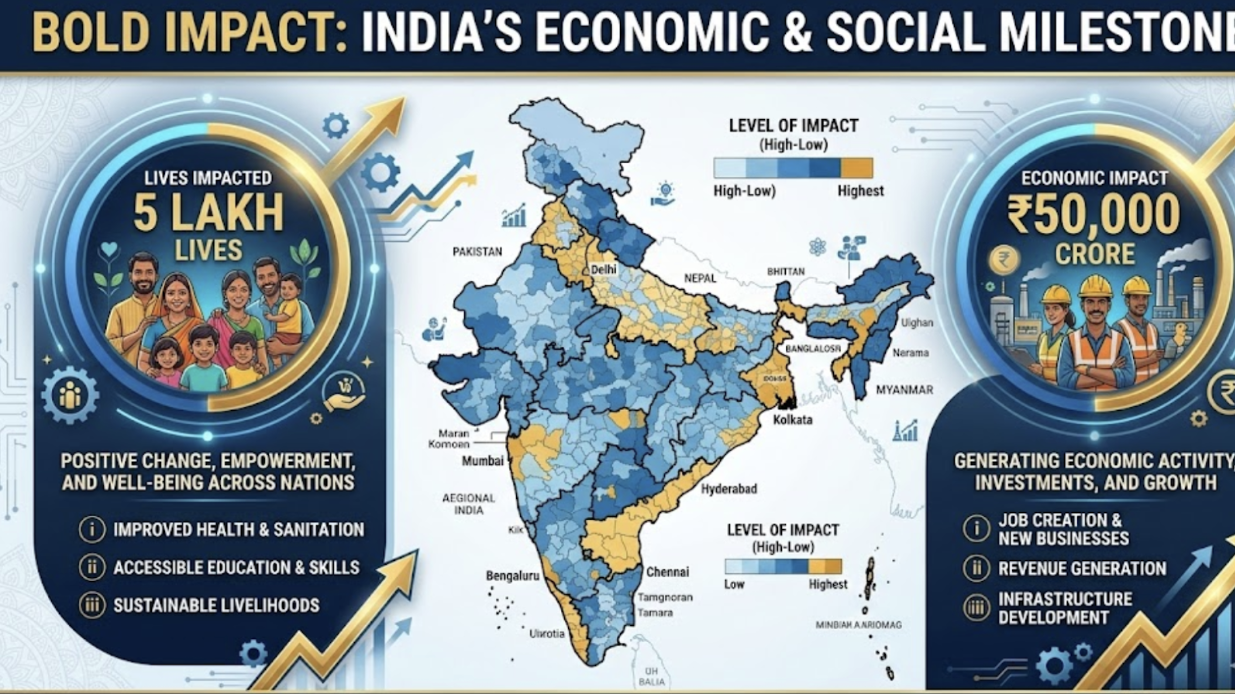
- Touching the lives of 5,00,000+ people.
- Enabling over ₹50,000 Crore in economic activity.
- Creating a grassroots model that can be replicated across every district, campus, corporate, and residential community in India.
How It Actually Works
1. Partnering with Institutions
Operation Shuddhi doesn’t try to do this alone. It builds partnerships with:
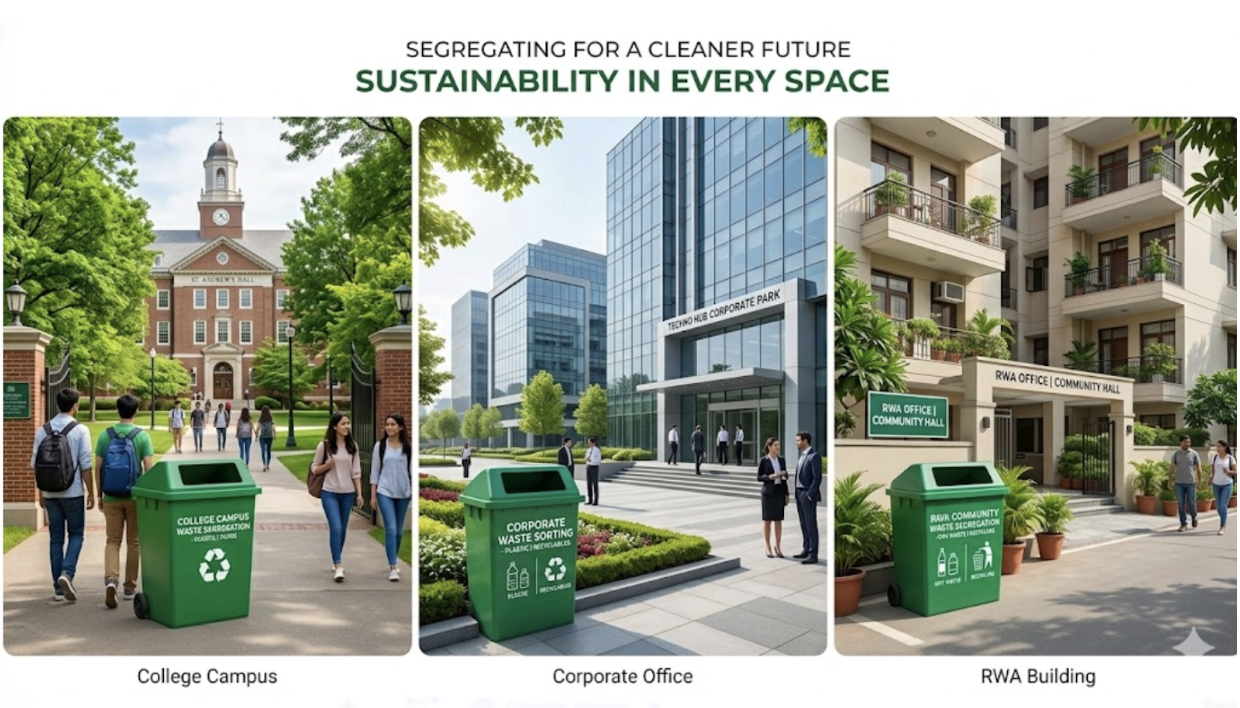
- Colleges and Universities
- Corporations and Manufacturing Units
- Resident Welfare Associations (RWAs) and Housing Societies
- Retail and Commercial Establishments
- NGOs and Volunteer Networks
Every participating institution gets:
- Free, structured dustbins designed for proper segregation.
- An organised collection system that actually shows up.
- Regular plastic lifting and traceable disposal — no dumping in the dark.
- Official recognition as a ‘Plastic Responsible Institution’.
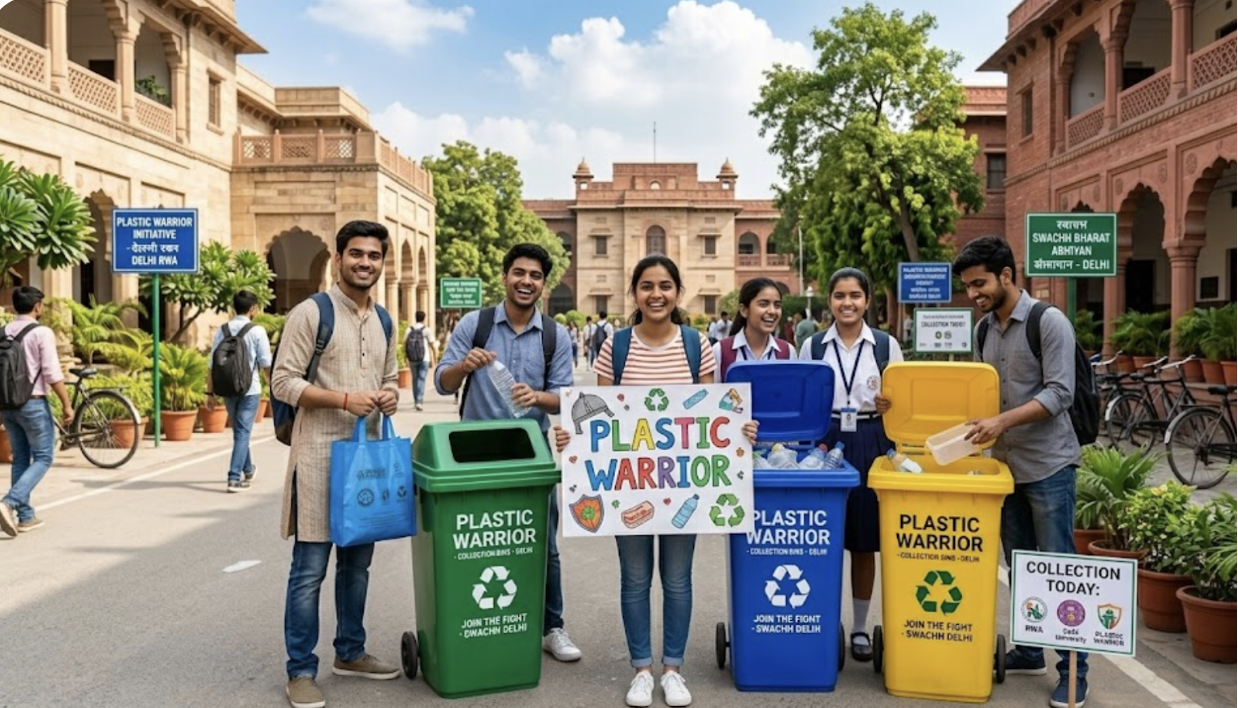
2. Plastic Warriors, Everyone Can Play a Role
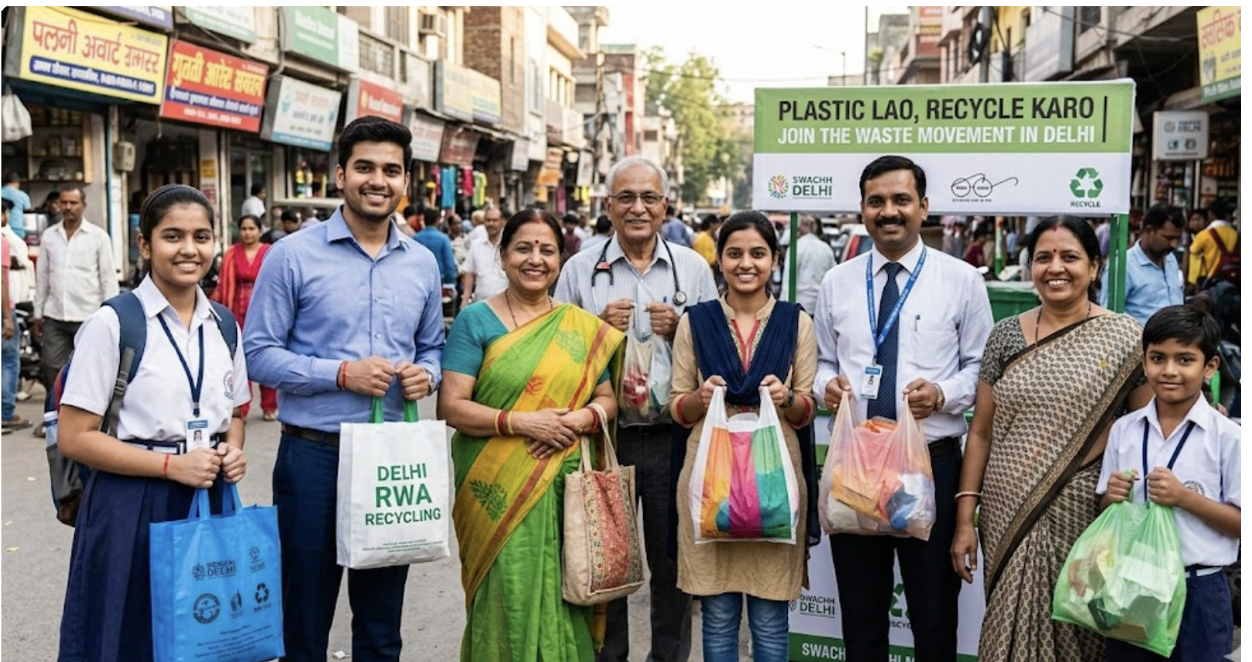
Any citizen can sign up as a ‘Plastic Warrior’. It’s not a fancy title — it’s a real role with real responsibilities:
- Spreading awareness about segregation in their community.
- Activating local collection points.
- Getting institutions around them to join the mission.
- Monitoring compliance and keeping things honest.
This creates a decentralised, self-sustaining movement — one that doesn’t depend on a single authority to keep running.
3. From Collection to Conversion
Here’s the journey plastic takes inside Operation Shuddhi:
- Step 1: Separated at the source — home, school, or office.
- Step 2: Moved to a structured collection point.
- Step 3: Sorted and graded by plastic type.
- Step 4: Processed and prepared for repurposing.
- Step 5: Reintegrated into industrial production — replacing virgin polymer wherever possible.
The Environmental Impact
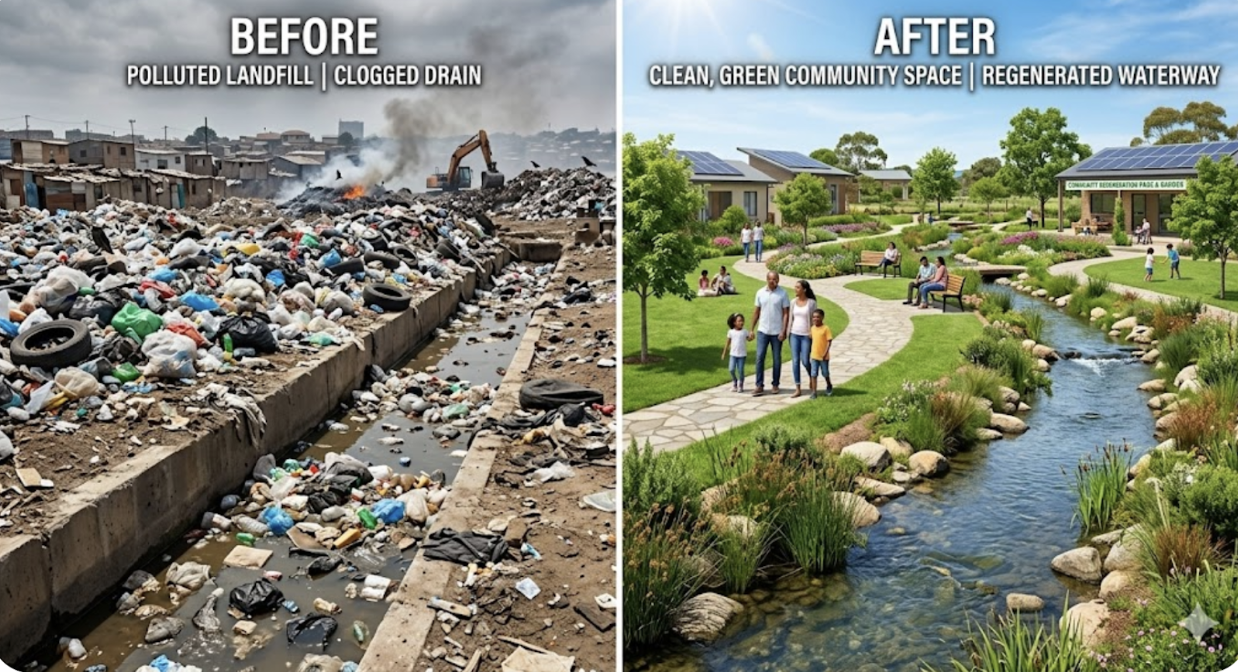
Operation Shuddhi delivers an environmental impact that you can actually see and measure:
- Less pressure on landfills.
- Lower carbon footprint — because recycled input means less energy-intensive production.
- Cleaner communities that people are proud to live in.
- Real data and accountability — not just optics.
The emphasis here is clear: results, not rhetoric.
The Economic Opportunity
Here’s something most people don’t think about: plastic is a resource that’s been misclassified as waste.
When you build an organised system around collecting and repurposing it, something remarkable happens:
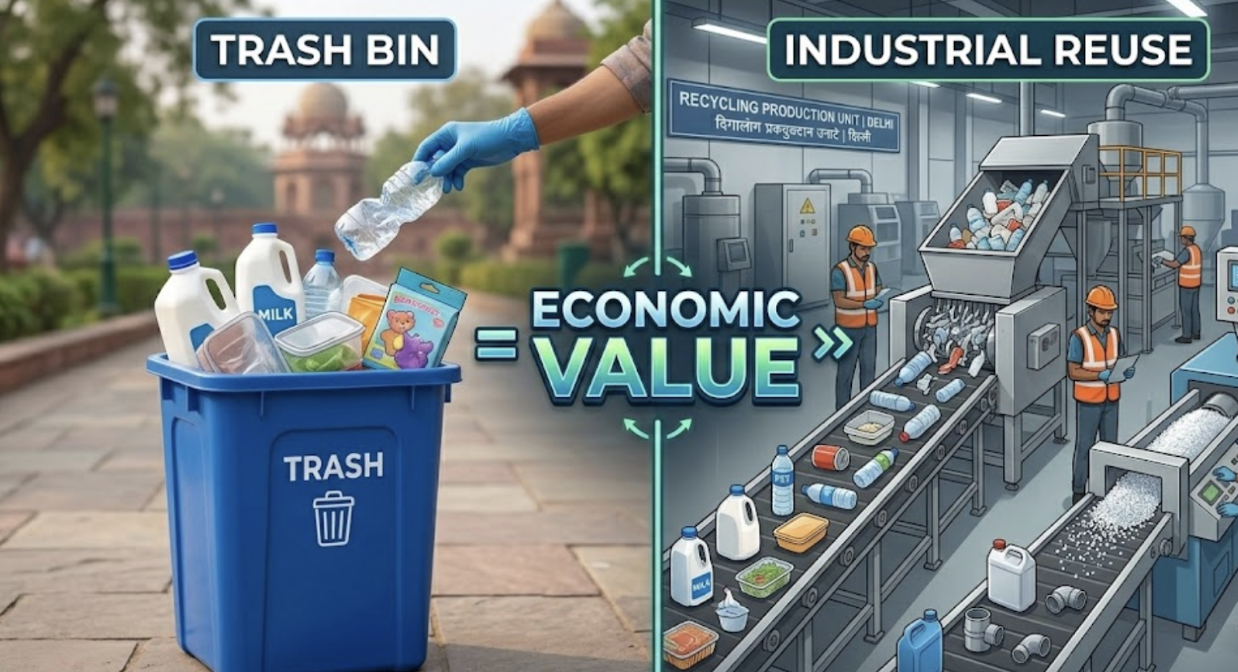
- Informal waste streams become formalised — and taxable, trackable, and reliable.
- Employment opportunities open up across the collection and processing chain.
- Secondary raw material markets grow stronger.
- Domestic manufacturers face less raw material cost volatility.
This isn’t charity. It’s the circular economy in action — and it aligns perfectly with India’s broader sustainability and economic goals.
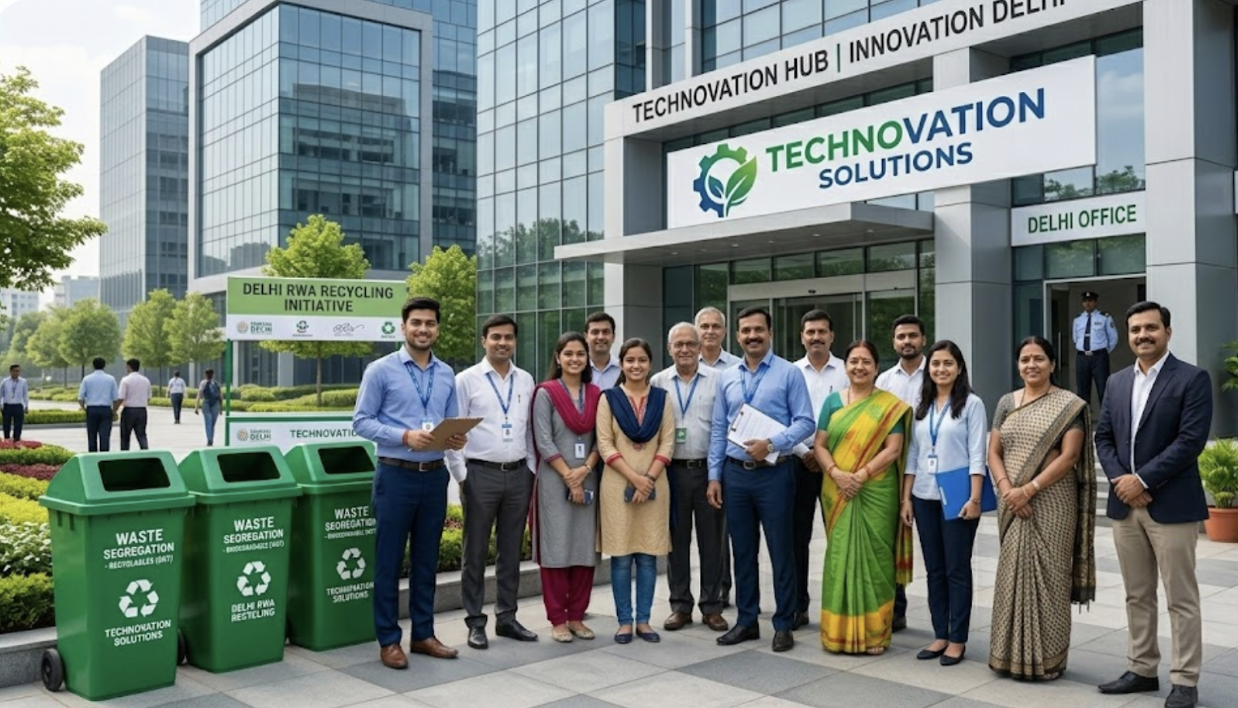
For Companies: Make Your ESG Actually Mean Something
Corporations can participate in Operation Shuddhi in several meaningful ways:
- Join as a Collection Partner.
- Donate toward the bin and infrastructure deployment.
- Sell your facility’s segregated plastic into the network.
- Sponsor community-level bin distribution in your area.
In return, companies receive:
- Free, organised collection support.
- Structured impact reporting.
- ESG-aligned documentation they can actually use.
This turns CSR and ESG from compliance checkboxes into verifiable, on-the-ground environmental action.
For Colleges and Schools: Build the Next Generation of Responsible Citizens
Young people don’t just need to hear about sustainability — they need to live it. Through campus-based collection systems, Operation Shuddhi:
- Builds a genuine sense of environmental responsibility in students.
- Creates structured, working sustainability models within institutions.
- Turns every campus into a micro circular-economy hub.
The habits formed in college last a lifetime. This is where lasting change begins.
What India Needs Right Now
India doesn’t need another awareness campaign.
India needs participation.
Operation Shuddhi invites everyone to become a stakeholder in this mission:
- Institutions
- Corporates
- Educational Bodies
- Community Leaders
- Individual Citizens
This isn’t just about managing waste. It’s about reclassifying plastic — from a burden into a resource, from something we throw away into something we build with.
To Wrap It Up
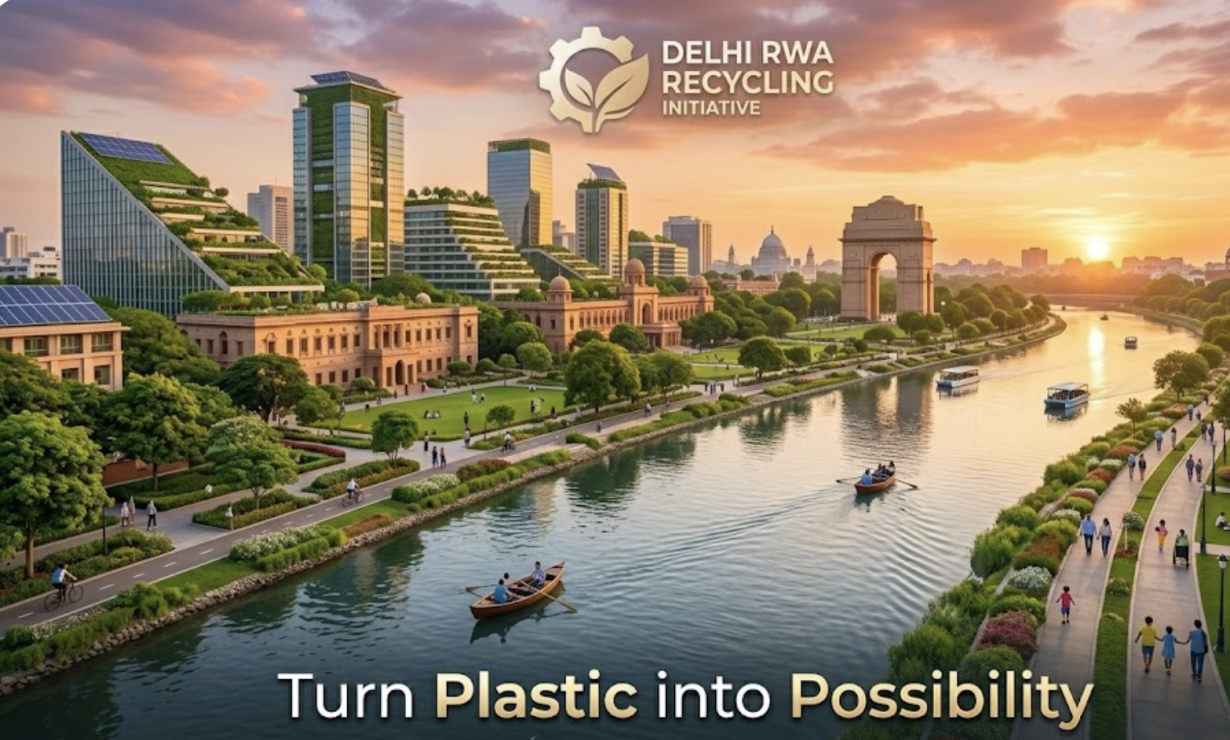
Operation Shuddhi represents a fundamental shift in how we think about plastic from ‘plastic problem’ to ‘plastic opportunity.’
When segregation becomes a habit, collection becomes structured, and recycling becomes economically viable, plastic stops being an environmental burden and starts being an industrial asset.
The mission has begun.
Your participation will define how far it goes.
Ready to Be Part of the Change?
Whether you’re an individual, an institution, or a company,
there’s a role for you in Operation Shuddhi. It takes just one step to get started.
JOIN US — opshuddhi.org/contact 🌿
Email – team@opshuddhi.org Phone: 9910270471
Click the link above or visit: https://opshuddhi.org/contact/
Together, let’s turn plastic into possibility. 🌱