
EPR Compliance in India: A Guide for Producers & Brands
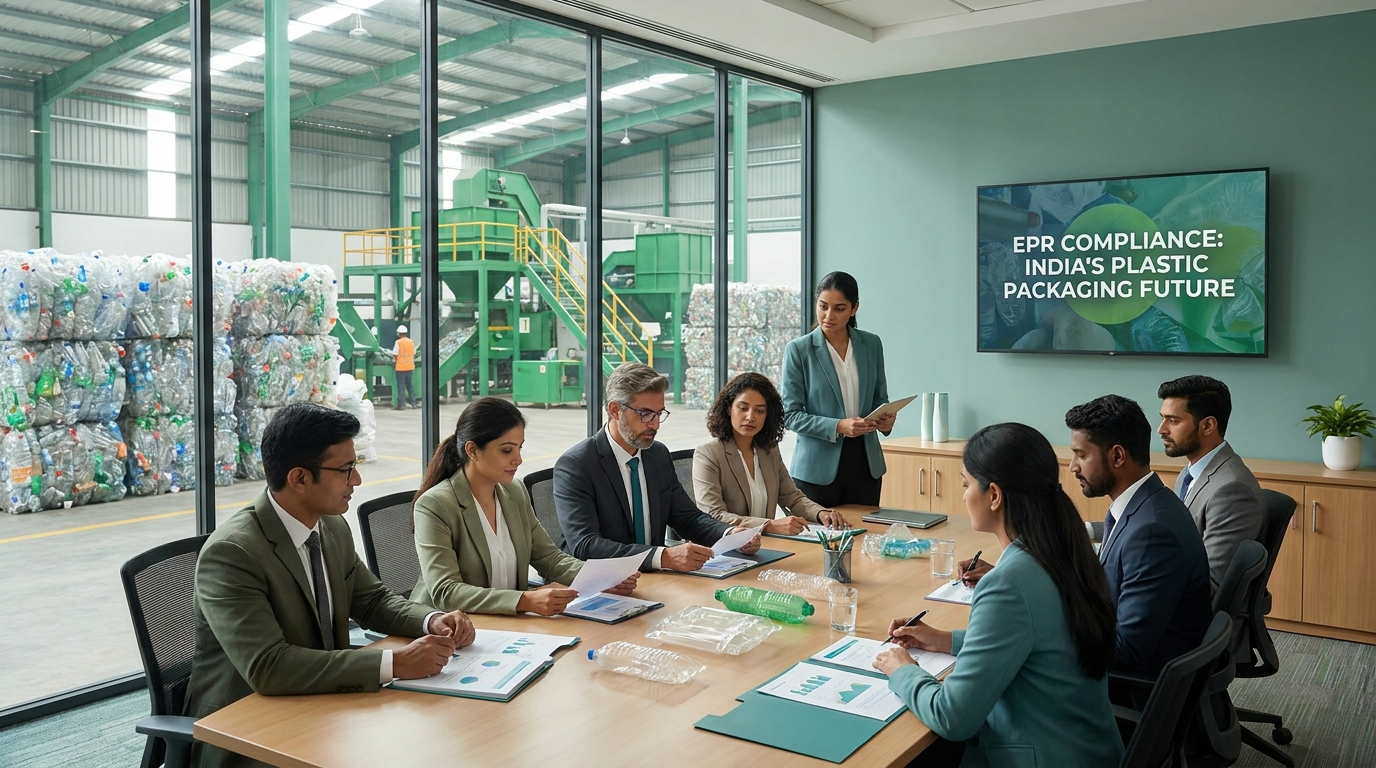
India produces over 3.5 million tonnes of plastic waste every year, and barely a third of it is recycled through formal, traceable channels. For the businesses that put plastic on the market — producers, importers, and brand owners — that gap is no longer just an environmental concern. It is a regulatory obligation with financial teeth. Extended Producer Responsibility, or EPR, has moved from a policy aspiration to an enforceable compliance regime that touches everyone from FMCG giants to small regional manufacturers.
If your business introduces plastic packaging into the Indian market, EPR is now a line item in your operating model. This guide explains what EPR means in practice, how the framework works under India’s Plastic Waste Management Rules, and how forward-looking companies are turning a compliance burden into a genuine sustainability advantage.
What Extended Producer Responsibility Actually Means
Extended Producer Responsibility is a policy principle that shifts the responsibility for a product’s end-of-life management from municipalities and consumers back to the companies that produce it. The logic is simple: the entity that profits from putting plastic into circulation should bear the cost and accountability of ensuring it is recovered and recycled.
In India, EPR is governed by the Plastic Waste Management Rules, 2016, significantly strengthened by the EPR Guidelines notified in 2022 and subsequent amendments. These rules apply to three categories of obligated entities, collectively known as PIBOs — Producers, Importers, and Brand Owners.
The framework classifies plastic packaging into four categories:
- Category I — Rigid plastic packaging (bottles, containers, jars)
- Category II — Flexible plastic packaging of a single layer or multilayer, plus plastic sheets and covers
- Category III — Multilayered plastic packaging with at least one layer of non-recyclable plastic
- Category IV — Compostable plastic packaging
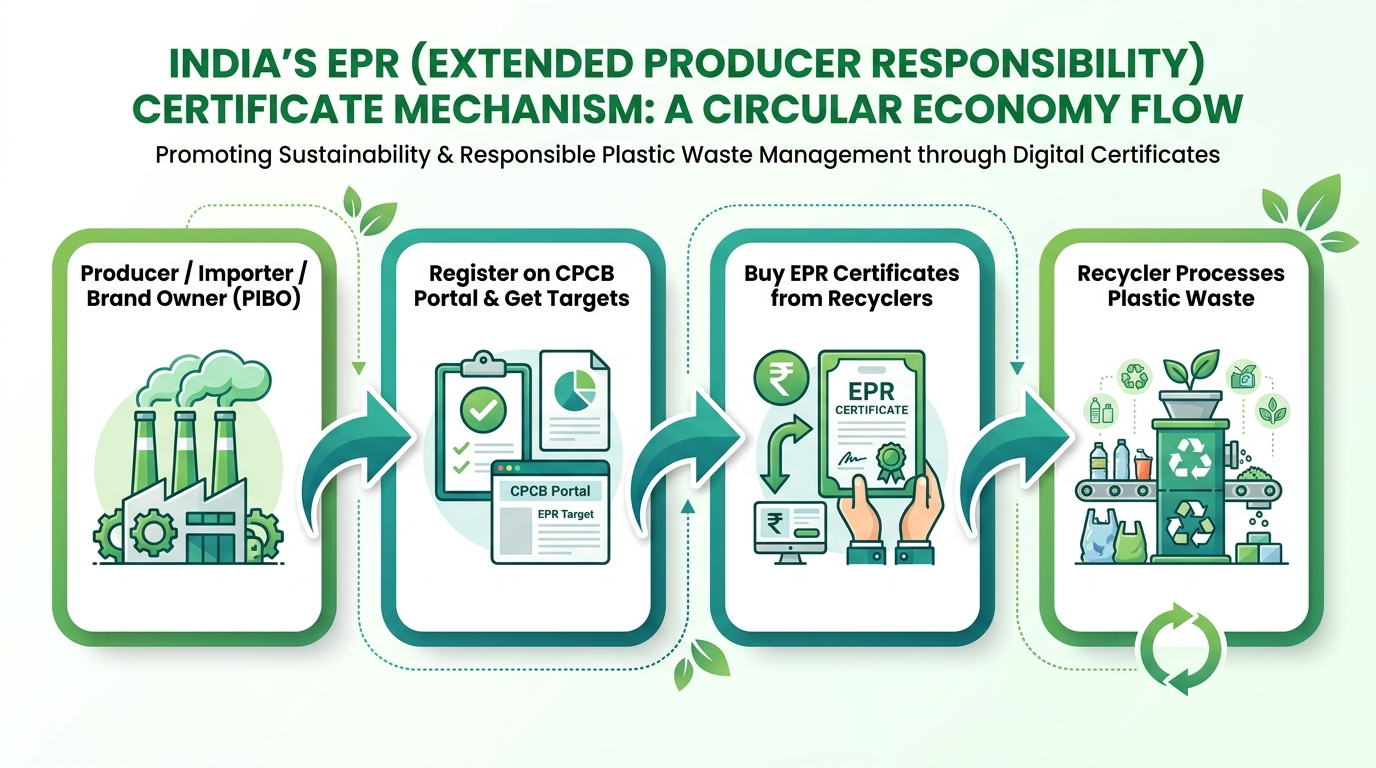
Each PIBO must register on the Centralized EPR Portal operated by the Central Pollution Control Board (CPCB), declare the volume of plastic packaging it introduces to the market, and then meet annual recovery and recycling targets calculated against that volume. Crucially, targets escalate year over year — recycling obligations for rigid plastics, for instance, have been set to climb steadily toward near-total recovery, pushing the entire ecosystem toward a circular model rather than linear disposal.
How the EPR Compliance Mechanism Works
Understanding the mechanics is essential, because EPR compliance is not a single annual filing — it is a continuous, auditable cycle. Here is how the system operates end to end.
Registration and Target Setting
Every PIBO registers on the CPCB portal and submits historical and projected data on plastic packaging volumes. Based on this, the system assigns category-wise EPR targets covering recycling, use of recycled content, and end-of-life disposal. Plastic recyclers and waste processors register separately as Plastic Waste Processors (PWPs).
EPR Certificates and the Credit System
This is where India’s framework becomes genuinely market-driven. When a registered recycler processes plastic waste, it generates EPR certificates corresponding to the quantity and category of material recycled. PIBOs fulfil their obligations by purchasing these certificates from registered recyclers, creating a transparent, traceable transaction that links a brand’s plastic footprint to verified recycling activity on the ground.
This certificate trading mechanism — often discussed alongside the broader concept of plastic credits — transforms recycling from an unfunded public-good activity into a financially viable enterprise. It channels capital from large plastic users directly to the recycling infrastructure that needs investment.
Reporting, Auditing, and Penalties
PIBOs file annual returns documenting how they met their targets. Non-compliance carries real consequences: environmental compensation charges levied per tonne of unfulfilled obligation, public listing of defaulters, and reputational exposure. For listed companies and those reporting under ESG frameworks, a failure to meet EPR targets is increasingly a disclosable risk that investors scrutinise.
Turning Compliance Into Competitive Advantage
The companies winning at EPR are the ones that stopped treating it as a tax and started treating it as a strategy. Here is how that shift plays out in practice.
Build Traceability Into Your Supply Chain
The single biggest EPR risk is unverifiable recycling. Buying certificates from opaque sources exposes a brand to audit failures and greenwashing accusations. Leading PIBOs now partner with recyclers who offer end-to-end traceability — documented collection, segregation, processing, and certificate generation. This is precisely the model that mission-driven recovery networks are built to provide, connecting obligated companies with verified, on-ground recycling activity.
Design for Recyclability
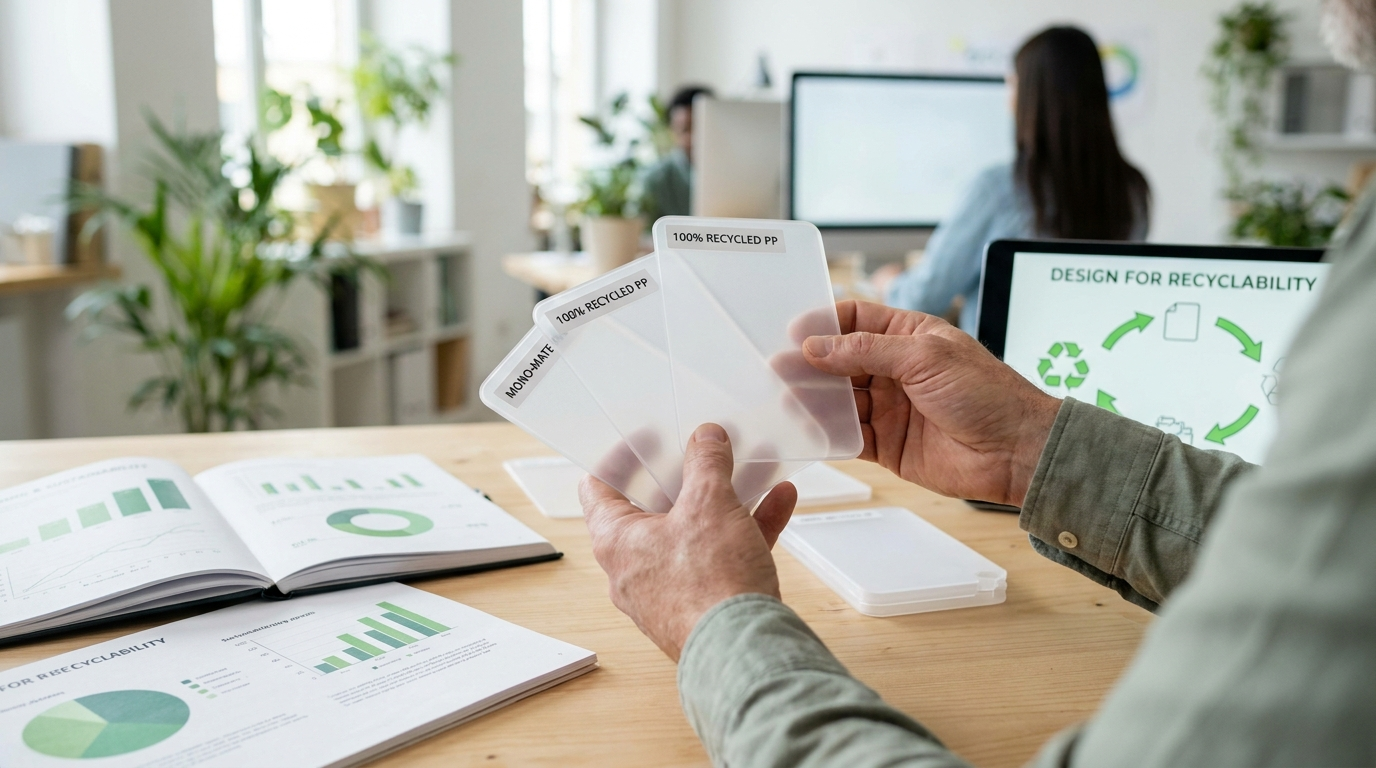
EPR targets are easier and cheaper to meet when packaging is recyclable by design. Forward-thinking manufacturers are phasing out problematic multilayered Category III packaging in favour of mono-material structures, increasing post-consumer recycled (PCR) content, and standardising materials across product lines. This reduces certificate costs while future-proofing against tightening regulations.
Integrate EPR Into ESG Reporting
EPR compliance data is gold for ESG disclosures. Verified recycling volumes, recycled content percentages, and partnerships with formal-sector recyclers all feed directly into Environmental and Social metrics that rating agencies and investors evaluate. A company that documents 500 tonnes of traceable plastic recovery has a concrete, defensible sustainability claim — not a vague pledge.
A Practical Example
Consider a mid-sized food brand placing 1,200 tonnes of rigid and flexible plastic packaging on the market annually. Rather than scrambling to buy certificates at year-end on a volatile market, the brand entered a multi-year agreement with a formal recycling network, co-invested in collection infrastructure in its primary distribution regions, and switched 40% of its packaging to mono-material PET. Within two cycles it had stabilised its compliance costs, generated a verified recovery story for its sustainability report, and improved its standing with retail partners who increasingly demand circular-economy credentials. The compliance obligation became a brand asset.
EPR and the Circular Economy: The Bigger Picture
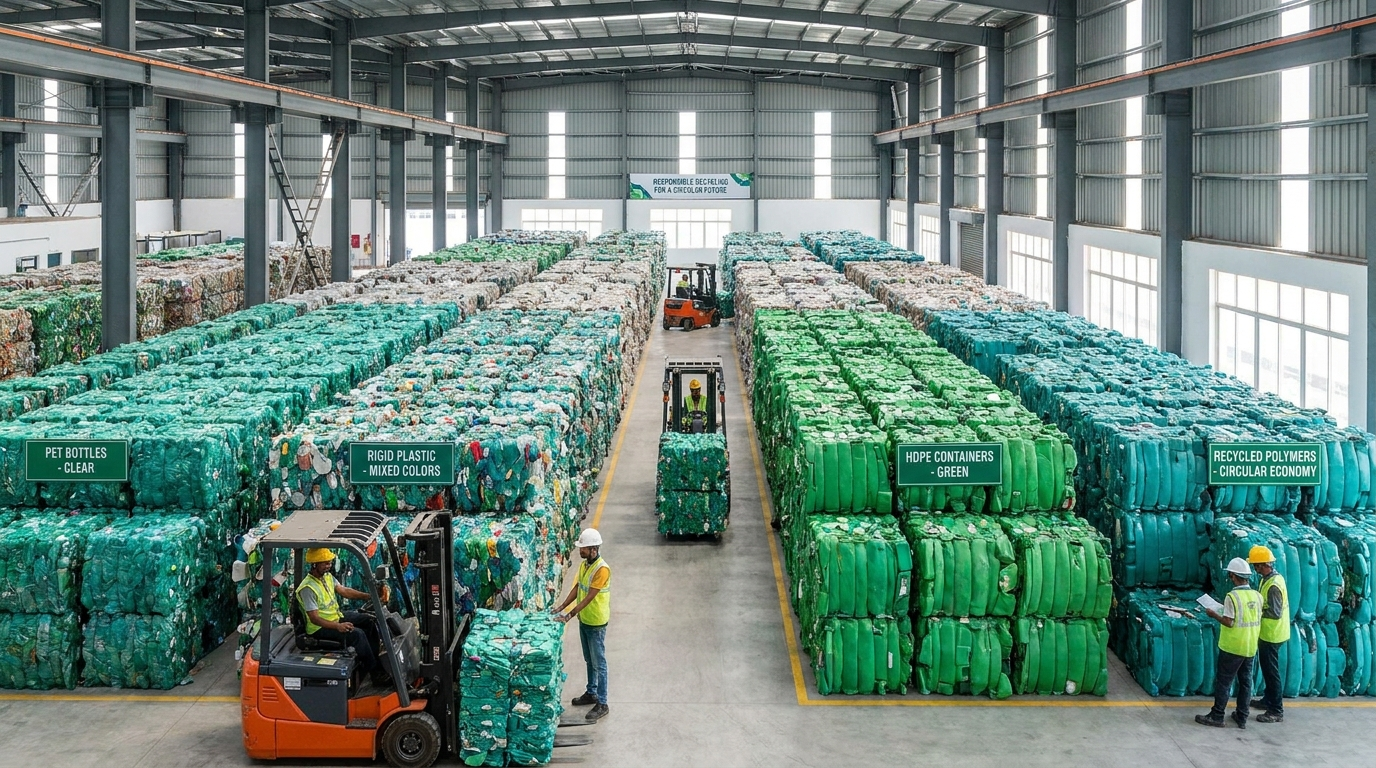
EPR is not an isolated regulation — it is the financial engine of India’s emerging circular economy for plastics. By assigning a cost to plastic waste and a value to its recovery, the framework rewires the incentives that have historically allowed plastic to leak into landfills, drains, and rivers.
This is exactly the transformation that Operation SHUDDHI® exists to accelerate. As India’s Plastic Waste Recovery and Circular Economy Mission, Operation SHUDDHI focuses on transforming plastic waste into wealth, livelihoods, and environmental value through collection, recycling, awareness, and circular-economy initiatives. By building a nationwide network of collection centres, formalising waste workers, and connecting obligated PIBOs with responsible, traceable recycling, the mission turns EPR from a paperwork exercise into measurable impact on the ground.
For producers, importers, and brand owners, the message is clear. EPR compliance is not going away — it is intensifying. The businesses that engage early, build traceable partnerships, and design for circularity will not only meet their obligations but will lead the market in sustainability and environmental stewardship. Those that wait will pay more, risk more, and lead less.
Frequently Asked Questions
1. Who needs to comply with EPR rules in India? Any Producer, Importer, or Brand Owner (PIBO) that introduces plastic packaging into the Indian market must register on the CPCB’s Centralized EPR Portal and meet category-wise recycling and recovery targets. This includes manufacturers of plastic packaging, importers of packaged goods, and brands that sell products in plastic packaging.
2. What are EPR certificates and how do they work? EPR certificates are tradable instruments generated by registered recyclers when they process a verified quantity of plastic waste. PIBOs purchase these certificates to demonstrate fulfilment of their recycling obligations, creating a transparent link between a company’s plastic footprint and actual recycling activity.
3. What happens if a company fails to meet its EPR targets? Non-compliant PIBOs face environmental compensation charges levied per tonne of unmet obligation, public listing as defaulters by the CPCB, and reputational and investor-facing risks — particularly significant for companies with ESG reporting commitments.
4. How is EPR connected to the circular economy? EPR assigns a cost to plastic waste and a financial value to its recovery, funding the collection and recycling infrastructure that makes a circular economy viable. It shifts the system from linear “make-use-dispose” toward “collect-recycle-reuse.”
5. How can businesses make EPR compliance easier? By partnering with recyclers that offer full traceability, designing packaging for recyclability, increasing recycled content, and integrating EPR data into broader ESG strategy. Working with an organised recovery network like Operation SHUDDHI helps ensure compliance is verifiable and impactful.
Conclusion
Extended Producer Responsibility marks a fundamental shift in how India holds businesses accountable for plastic — and a rare opportunity to align regulatory compliance with genuine environmental leadership. The framework’s certificate system, escalating targets, and traceability demands are pushing the entire value chain toward circularity. Companies that treat EPR as a strategic priority rather than a reluctant cost will build resilient, future-ready operations and credible sustainability stories.
Operation SHUDDHI® stands at the centre of this transition, transforming plastic waste into wealth and livelihoods while giving producers, importers, and brand owners a trusted path to responsible recycling and circular-economy leadership. The plastic your business puts into the world can come back as value — and EPR, done right, is how that journey begins.
Partner with Operation SHUDDHI to build traceable, compliant, and impactful plastic recovery. Visit www.opshuddhi.org or write to team@opshuddhi.org.
Partner with Operation SHUDDHI®
Is your business generating plastic waste, or do you need quality recycled material? Let’s turn your plastic into value — and build India’s circular economy together.
♻️ Have plastic waste? Hand it over to us for responsible, traceable recycling — support your EPR compliance and turn waste into wealth.
🏭 Need recycled granules (rPET / PCR)? Source clean, traceable recycled material for your products — contact us for supply.
Join Operation Shuddhi →
Contact Us to Donate Plastic or Buy Granules